

What Is Invisalign and How Does It Straighten Teeth in Lafayette, LA?
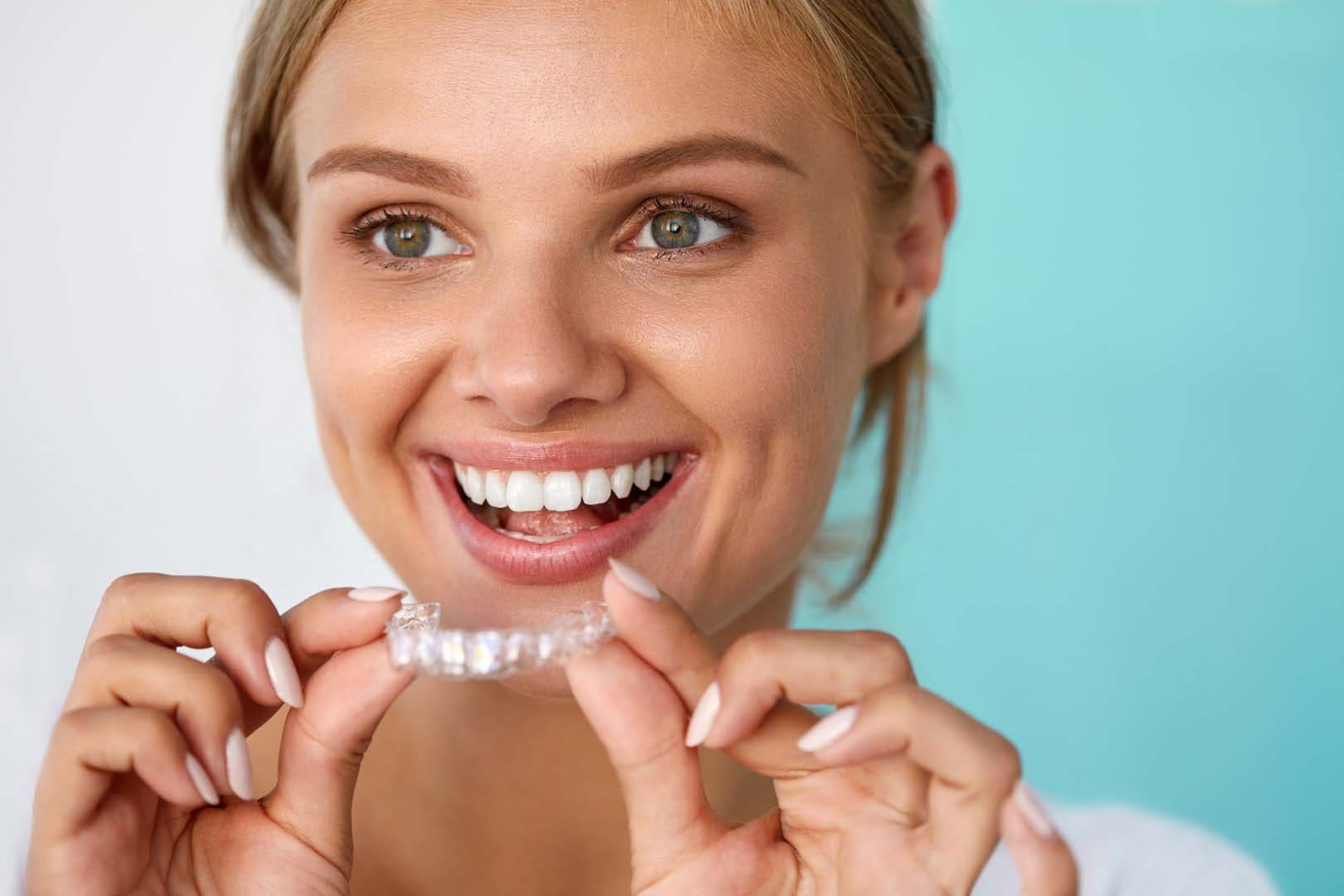
Invisalign is a clear aligner system that straightens teeth using custom-made, removable trays crafted from SmartTrack material. Unlike traditional metal braces, these FDA-cleared aligners fit snugly over your teeth and gradually shift them into proper alignment. Each set of aligners applies gentle, controlled pressure to specific teeth, moving them incrementally until you get the straight, healthy smile you’re after.
At Balhoff Orthodontics in Lafayette, Louisiana, Dr. Donald Balhoff, DDS uses the iTero Element™ digital scanner to capture precise 3D images of your teeth. This technology eliminates the need for messy putty impressions and allows for highly accurate treatment planning. The digital scan feeds directly into Invisalign’s ClinCheck software, where Dr. Balhoff maps out every stage of your tooth movement before treatment even begins.
According to Align Technology, Invisalign has treated over 16 million people worldwide, making it one of the most trusted clear aligner systems available. The system works for mild cases like minor crowding and more complex orthodontic issues including significant bite problems. Teens and adults alike use Invisalign as a discreet way to get the healthy, beautiful smile they’ve always wanted.
The aligners are virtually invisible when worn, which is why so many members of our orthodontic family choose them over traditional metal braces, clear ceramic braces, and self-ligating braces. Every one to two weeks, you switch to a new set of aligners, with each set bringing you closer to your final results.
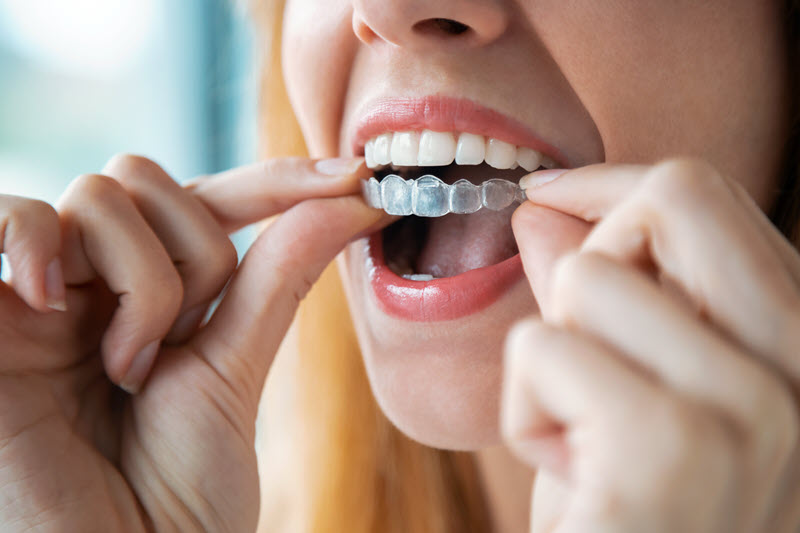
How We Create Your Invisalign® Clear Aligners
Getting started with Invisalign is straightforward. Here’s what you can expect at each step of the process:
1. Free Consult and Digital Scan
Your Invisalign experience begins with a complimentary free consult. Dr. Balhoff examines your teeth and discusses your smile goals. Our team uses the iTero Element™ digital scanner to create a detailed 3D model of your mouth. This quick, comfortable scan takes just a few minutes and produces remarkably accurate results. No gooey impressions required. The scanner captures thousands of data points across your teeth and gums, giving Dr. Balhoff a full picture of your current alignment and bite relationship.
2. Custom 3D Treatment Plan
Using your digital scan, Dr. Balhoff designs your treatment plan with ClinCheck software. This step is where the real precision happens. The software lets Dr. Balhoff control the exact sequence and degree of each tooth movement. You actually get to see a virtual preview of how your teeth will move at each stage and what your final smile will look like. That preview gives you a clear picture of your results before you commit to treatment, so there are no surprises along the way.
3. Receive Your Aligners
Once your custom aligners arrive, pick up your first sets at our office. Dr. Balhoff will show you how to wear and care for them properly and explain what to expect during the first few days of wear. Plan to wear each set of aligners for 20 to 22 hours daily, removing them only to eat, drink anything other than water, and brush your teeth. Most people switch to a new set every one to two weeks.
4. Progress Check-Ins
Expect to visit our office every six to eight weeks so Dr. Balhoff can monitor your progress and provide your next sets of aligners. These appointments are quick. No wires to adjust. No brackets to tighten.
Average treatment time ranges from 6 to 18 months, depending on the complexity of your case. Some members of our orthodontic family with minor alignment issues finish even sooner.
Key Benefits of Choosing Invisalign Over Traditional Braces
Invisalign has some real advantages over traditional metal braces, clear ceramic braces, and self-ligating braces. Here’s a closer look at what our orthodontic family loves most about them.
Nearly Invisible When You Smile
The clear aligners are difficult to notice during everyday conversations, meetings, or photos. This makes Invisalign particularly popular among working professionals and anyone who prefers a low-profile treatment option.
Eat Whatever You Want
Unlike fixed braces, you can take your aligners out whenever you need to. No more avoiding popcorn, apples, or chewy candies. Simply remove your trays, enjoy your meal, brush your teeth, and pop them back in.
Better Oral Hygiene Throughout Treatment
Brushing and flossing with traditional braces can be a real challenge. With Invisalign, remove the aligners and brush and floss normally. Healthier teeth and gums throughout treatment, with less hassle.
Is Invisalign More Comfortable Than Braces?
The smooth, BPA-free plastic aligners don’t have metal brackets or wires that can irritate your cheeks and gums. You’ll still feel some pressure when you switch to a new set of trays, which is normal and means things are moving.
Fewer Trips to the Office
Since there are no adjustments to make, your check-in appointments are typically less frequent than with traditional braces. That means less time away from work, school, or other activities.
Great Results for Teens and Adults
Invisalign offers specific product lines for teens and adults. The system now handles everything from minor spacing to complex bite corrections, and Align Technology continues to expand what the aligners can do with each new generation of SmartTrack material.
Invisalign vs. Braces: Which Option Is Right for You?
Choosing between Invisalign and traditional braces depends on several factors. Invisalign uses removable clear trays while braces use fixed brackets and wires. Invisalign offers better aesthetics and easier cleaning, while braces handle severe cases more reliably. Here’s how they compare side by side:
| Feature | Invisalign® Clear Aligners | Traditional Metal Braces |
|---|---|---|
| Visibility | Nearly invisible | Visible metal brackets and wires |
| Comfort | Smooth plastic, no sharp edges | Brackets and wires may cause irritation |
| Removability | Fully removable for eating and cleaning | Fixed throughout treatment |
| Food Restrictions | None. Remove aligners to eat | Avoid hard, sticky, and chewy foods |
| Cleaning | Normal brushing and flossing | Special tools needed to clean around brackets |
| Office Visits | Every 6-8 weeks | Every 4-6 weeks for adjustments |
| Treatment Scope | Most mild to moderate cases, many complex cases | All cases including severe skeletal issues |
When Does Invisalign Work Best?
Invisalign treats most orthodontic concerns including crowding, spacing, overbites, underbites, crossbites, and open bites. It’s ideal if you value discretion and convenience. The system works particularly well for members of our orthodontic family who are disciplined about wearing their aligners the recommended 20 to 22 hours daily.
When Are Traditional Braces a Better Option?
Some severe skeletal discrepancies or complex tooth movements respond better to traditional braces. Braces also don’t require patient compliance since they’re fixed in place. For younger patients who might forget to wear aligners consistently, braces can be a more reliable choice.
Our team offers traditional metal braces, clear ceramic braces, and self-ligating braces alongside Invisalign. Dr. Balhoff evaluates your specific needs during your free consult and recommends the option that will give you the best results.
How Much Does Invisalign Cost in Lafayette, LA?
Invisalign costs vary based on your individual treatment needs, with national pricing typically ranging from $3,000 to $8,000. Several factors influence where your treatment falls within that range, and a free consult at our Lafayette office is the best way to get a personalized estimate.
What Factors Affect Invisalign Cost?
- Case Complexity: Minor spacing issues require fewer aligners than significant crowding or bite problems
- Treatment Length: Longer treatments need more aligner sets, which affects overall cost
- Refinements: Some cases need additional aligners to perfect results
- Geographic Location: Costs can vary by region and practice
Does Insurance Cover Invisalign?
Good news: most dental insurance plans that include orthodontic benefits cover Invisalign the same way they cover traditional braces. Your plan may cover a portion of your treatment, reducing your out-of-pocket expense. Our team helps you understand your benefits and maximize your coverage.
What Payment Options Are Available?
Cost shouldn’t get in the way of a great smile. That’s why we offer flexible payment plans to fit your budget. We can discuss financing options during your free consult so cost doesn’t stand between you and the smile you want.
How Can You Get a Personalized Estimate?
The only way to know exactly what your Invisalign treatment will cost is to schedule a free consult. Dr. Balhoff will examine your teeth, discuss your goals, and provide a customized treatment plan with transparent pricing. There’s no obligation, just helpful information to guide your decision.
Who Is a Good Candidate for Invisalign Treatment?
Good candidates for Invisalign include teens with fully erupted permanent teeth and adults of any age who have crowding, spacing, or bite issues. Here are the specific conditions Invisalign treats well:
- Crowding, where teeth overlap or sit too close together
- Spacing that leaves noticeable gaps between teeth
- Overbite, the upper teeth extend too far over the lower teeth
- Underbite, the lower teeth sit in front of the upper teeth when biting down
- Crossbite, some upper teeth close inside the lower teeth rather than outside them
- Open bite, the upper and lower front teeth don’t touch when the mouth is closed
What Age Do You Need to Be for Invisalign?
Invisalign works for teens whose permanent teeth have fully erupted and adults of any age. There’s no upper age limit for orthodontic treatment. Many adults in their 40s, 50s, and beyond achieve excellent results with Invisalign. Members of our orthodontic family in Lafayette, Louisiana regularly start treatment well into adulthood and see great outcomes.
How Much Commitment Does Invisalign Require?
Success with Invisalign requires wearing your aligners 20 to 22 hours every day. If you’re someone who might forget to put them back in after meals or lose track of time, developing consistent habits early is important. Those who follow the wear schedule see the best results in the shortest time.
Which Cases May Need Different Treatment?
Severe jaw discrepancies sometimes require traditional braces or even orthognathic surgery for optimal results. Very complex tooth rotations or movements might also respond better to fixed appliances. Dr. Balhoff evaluates each person individually using digital scans and a thorough clinical examination to determine the best approach.
During your free consult, Dr. Balhoff will assess your teeth, bite, and jaw alignment. He’ll let you know if Invisalign is right for your specific situation or if another treatment option would serve you better.
Frequently Asked Questions About Invisalign
Does Invisalign Hurt?
Invisalign doesn’t typically cause significant discomfort. Expect mild pressure and some tightness for the first day or two after switching to a new set of aligners. This is normal and means your teeth are moving. The discomfort is usually much less intense than traditional braces adjustments and fades quickly.
How Long Does Invisalign Take?
Most Invisalign treatments take between 6 and 18 months to complete. Simple cases with minor crowding or spacing may finish in as little as 6 months. More complex bite corrections typically take 12 to 18 months. Dr. Balhoff provides a timeline estimate during your free consult based on your specific needs.
Can I Eat With Invisalign In?
No. Always remove your aligners before eating or drinking anything other than plain water. Food particles can get trapped under the aligners and cause decay, while hot beverages can warp the plastic. Remove your trays, enjoy your meal, brush your teeth, and then put your aligners back in.
How Do I Clean My Invisalign Trays?
Rinse your aligners every time you remove them. Brush them gently with a soft toothbrush and clear, unscented soap or use Invisalign cleaning crystals. Avoid hot water, which can distort the plastic. Don’t use toothpaste on your aligners since some formulas are abrasive and can scratch the surface, making them more visible.
Will I Need Retainers After Invisalign?
Yes. Retainers are essential for maintaining your results after any orthodontic treatment. Your teeth naturally want to shift back toward their original positions, especially in the months immediately following treatment. Dr. Balhoff will provide retainers and specific instructions for how long to wear them to protect your results long-term.
How Often Do I Need Appointments During Treatment?
Expect to visit our Lafayette, Louisiana office approximately every six to eight weeks during your Invisalign treatment. These check-ins are typically brief. Dr. Balhoff monitors your progress, ensures everything is tracking correctly, and provides your next sets of aligners.