
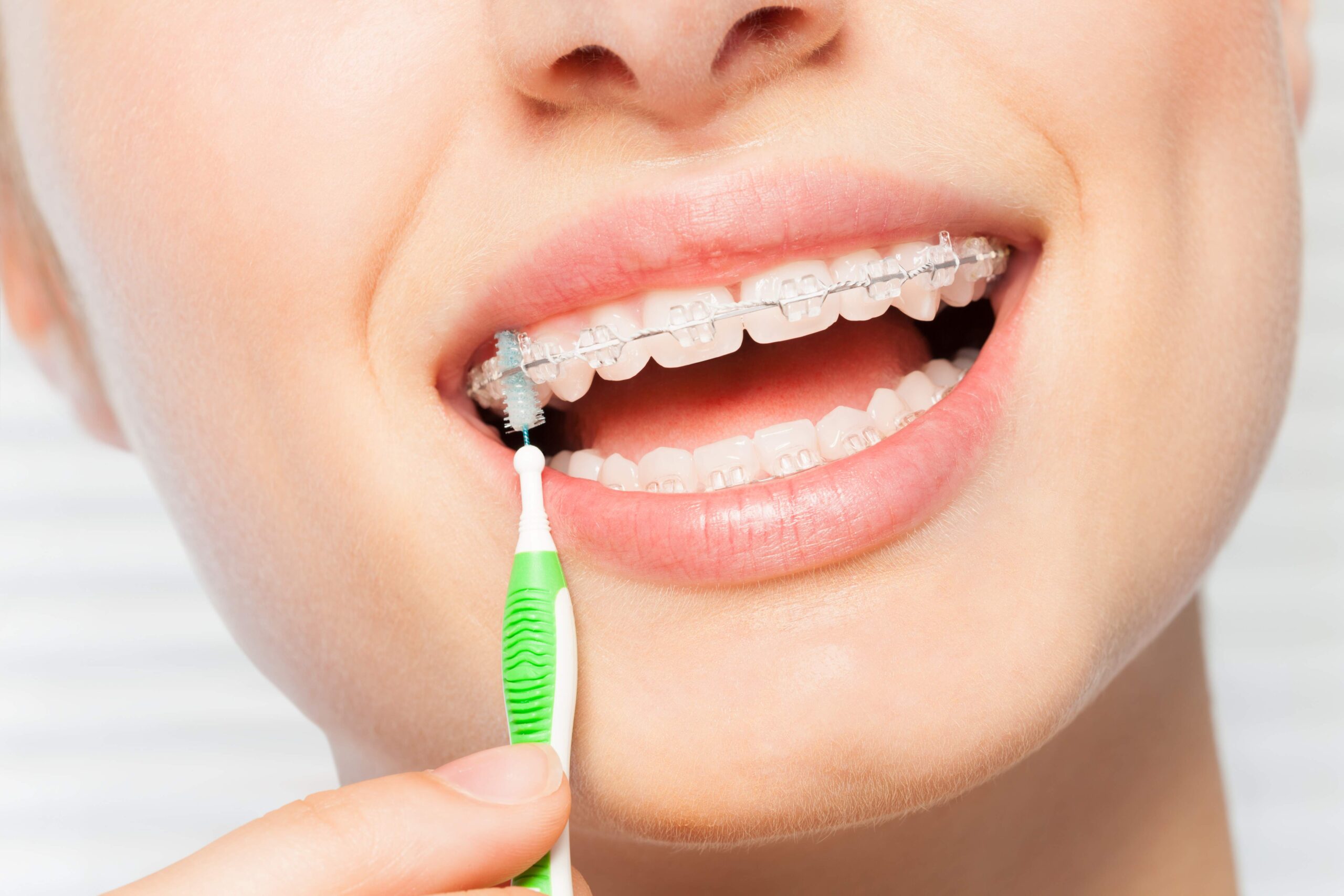
Ceramic braces are one of the first things families ask about when they want straighter teeth without the look of metal. The brackets are tooth-colored instead of silver, so they blend into your smile rather than sitting on top of it.
For many teens, getting braces is an exciting step toward a great smile, but it’s also a time of personal change. Teens are particularly conscious about their appearance, and the thought of wearing traditional metal braces can make some feel self-conscious or hesitant. Adults weighing treatment for the first time often feel the same way about how it will look at work. If you’re considering braces for teens or for yourself but want something more discreet, ceramic braces are worth looking at first.
What Are Ceramic Braces?
Ceramic braces are an orthodontic appliance that straightens teeth using the same system as traditional metal braces. The key difference is the material used for the brackets. While traditional braces have metal brackets, ceramic braces use tooth-colored or clear brackets that blend in with the natural color of your teeth. That makes them much less noticeable, especially from a conversational distance.
At Balhoff Orthodontics, ceramic brackets are part of what we offer as clear braces in Lafayette, often paired with self-ligating technology to keep treatment efficient.
The braces consist of three main components:
- Ceramic brackets. These are the small squares bonded to the surface of each tooth. They’re made from a translucent or tooth-colored material, which makes them blend in with the teeth and appear far less noticeable than the metal variety.
- Archwire. This is the wire that connects the brackets and moves the teeth into position. It’s typically metal, but it’s the brackets that are most visible, not the wire.
- Elastic bands. Small rubber bands that hold the archwire in place on the brackets. These can be clear or tooth-colored, which further enhances the discreet look.
Ceramic braces work the same way metal braces do, applying gentle pressure over time to shift teeth into proper alignment. The brackets gradually move the teeth into the desired position, improving both function and appearance.
How Do Ceramic Braces Work?
The process of getting ceramic braces is quite similar to getting traditional braces. Here’s a brief overview of what to expect:
- Consultation and assessment. The first step is a consultation with Dr. Balhoff at our Lafayette office. During this appointment he assesses dental health and discusses treatment goals. Crooked teeth, a misaligned bite, or gaps between teeth all put ceramic braces on the table as an option.
- Custom treatment plan. After the initial consultation, digital X-rays, photographs, and scans of the teeth create a custom treatment plan. This digital blueprint determines how the teeth should move and how long treatment will take.
- Placement of ceramic braces. Once the plan is ready, the ceramic brackets are bonded to the teeth. A thin archwire is then placed through the brackets and secured. The brackets and archwire gradually shift the teeth into the desired alignment over time.
- Adjustment appointments. Every few weeks you’ll come in for routine adjustments. We replace the rubber bands, check progress, and adjust the archwire as needed to keep the teeth moving toward their final positions.
- Final stages and retainers. Once the teeth are properly aligned, the braces come off and a retainer holds the results. Our guide to transitioning to retainers covers what that stage looks like day to day.
Benefits of Ceramic Braces
Ceramic braces offer several advantages, particularly for anyone concerned about how traditional metal braces will look during treatment. Here are the ones that matter most:
- Discreet appearance. The clear or tooth-colored brackets make them far less noticeable than traditional metal braces. You can smile with more confidence throughout treatment, and plenty of people won’t notice you’re wearing braces at all.
- Effective treatment. Ceramic braces work just as effectively as metal braces at straightening teeth. Whether the case is mild or complex, they address a wide variety of concerns including crooked teeth, gaps, overbites, and underbites. Treatment time is generally comparable to traditional braces.
- Comfortable design. Ceramic brackets are smooth and rounded, which reduces the irritation some people experience with metal. Modern ceramic brackets are also smaller than older designs, so there’s less bulk against the lips and cheeks.
- Customizable with color bands. The brackets stay discreet, but the elastic bands come in a range of colors. Teens can personalize their braces and change the look at every visit, or keep it neutral with clear bands. The choice is theirs.
What to Consider Before Choosing Ceramic Braces
Ceramic braces aren’t automatically the right answer for every case. A few factors are worth weighing first:
- Durability. Ceramic brackets are more prone to chipping than metal brackets, especially for anyone in contact sports. Modern ceramic brackets are considerably stronger than earlier generations, and a mouthguard plus reasonable care handles most of the risk.
- Staining. The brackets themselves are stain-resistant, but the elastic bands can pick up color from coffee, tea, red sauces, and berries. Bands get replaced at every adjustment visit, so any staining is temporary. Knowing which foods are safe with braces helps keep them looking clean between appointments.
- Treatment time. Treatment can run slightly longer than with metal braces in some cases, particularly complex ones. For most people prioritizing appearance, the difference is small enough not to change the decision.
Ceramic Braces Compared to Other Options
Most people choosing ceramic braces are deciding between three things. Metal braces are the most durable and the most visible. Ceramic braces trade a little durability for a much subtler look while staying fixed to the teeth, which means no compliance to worry about. Clear aligners like Invisalign for teens are the most discreet of the three, but they only work when they’re actually being worn, and some complex movements are still better handled with brackets.
Ceramic braces sit comfortably in the middle. You get most of the discretion of aligners with none of the responsibility of keeping track of trays.
Are Ceramic Braces Right for You?
Ceramic braces are a strong option for anyone looking for a more discreet way to straighten their teeth. The tooth-colored brackets and proven results make them a comfortable alternative to traditional metal braces for teens and adults alike. Every case is different, though, so an in-person evaluation is the only way to know for certain which approach will get you the best result.
Ceramic Braces FAQs
What do ceramic braces look like?
Ceramic braces look like traditional braces with the silver taken out. The brackets are translucent or matched to your tooth shade, and the wire is thin. From a few feet away most people notice a smile rather than the braces on it.
Can you get ceramic braces with colored bands?
Yes. The elastic bands that hold the archwire come in a full range of colors, so you can match school colors, pick something seasonal, or go with clear bands to keep the whole thing as subtle as possible. Bands get swapped at every adjustment visit, so the look can change every few weeks.
Do ceramic braces stain?
The ceramic brackets are stain-resistant and hold their color through treatment. The elastic bands are what pick up staining from coffee, tea, curry, and dark berries. Since the bands are replaced at each adjustment appointment, any discoloration is short-lived.
How long does treatment with ceramic braces take?
Most patients wear ceramic braces for 12 to 24 months, which is broadly in line with metal braces. The exact timeline depends on how much movement is needed and how closely you follow instructions. Dr. Balhoff gives a personalized estimate after reviewing your scans.
Are ceramic braces as strong as metal braces?
Metal brackets are still the more durable of the two, but modern ceramic brackets are far stronger than the ones people remember from years ago. For most patients the difference never comes up. If you play contact sports or have a habit of chewing on hard things, that’s worth raising at your consultation.
Contact Balhoff Orthodontics About Ceramic Braces
At Balhoff Orthodontics, we provide personalized orthodontic care in Lafayette, including ceramic braces, for patients who want a discreet path to a straighter smile. Our team works with you to build a treatment plan that fits your case and your daily life. We know how much it matters to feel comfortable during treatment, not just happy with the result at the end.
Want to know whether ceramic braces are the right fit? Schedule a consultation and Dr. Balhoff will walk you through your options in person.